Phantom Blade Zero Expert Guides
Phantom Blade Zero Deflect, Dodge, and Parry Decision Tree: Read the Attack Before the Combo
A combat decision-tree guide for Phantom Blade Zero players deciding when to deflect, dodge, parry, reposition, or stop attacking.
| Topic | Phantom Blade Zero Deflect, Dodge, and Parry Decision Tree: Read the Attack Before the Combo |
| Game | Phantom Blade Zero |
| Category | Expert Guides |
| Editorial score | 99 |
| Primary source | Official special teaser |
| Evidence level | Deep editorial analysis; final mechanics pending |
| Review status | Source-aware editorial page; update when public facts, footage, demos, or patch notes change. |
Expert Guides strategy table
| Page type | Expert Guide |
| Primary search intent | Phantom Blade Zero combat decision tree |
| Best source to verify | Official special teaser |
| Editorial confidence | Scenario-based guidance using public information, embedded media, and cautious pre-launch interpretation. |
| Update trigger | Update after official patch notes, demo access, hands-on previews, storefront changes, or new gameplay footage. |
Defensive decision tree
Choose defense by attack shape and confidence
Deflect, dodge, and parry guidance should not become a single universal rule. The better guide teaches players to classify the incoming attack, then choose the answer that preserves readability and punish safety.
Defense decision tree
| Incoming signal | First question | Likely answer | Why |
| Clean single strike | Can I see the timing? | Practice deflect or parry if confirmed. | Single beats teach timing discipline. |
| Long flurry | Do I know the final hit? | Block, evade, or wait before punishing. | Early counters get clipped. |
| Wide sweep | Is spacing the real threat? | Dodge or reposition. | A timing answer may still leave you in danger. |
| Delayed overhead | Am I reacting too early? | Hold patience and punish recovery. | Delay attacks punish panic inputs. |
| Camera pressure | Can I still see the boss? | Move first, punish later. | Unreadable fights are not skill tests. |
Decision-tree practice
Classify the attack before choosing a defensive label.
Practice one answer per attack until it is stable.
Record when spacing beats timing.
Do not recommend parry-first play until final risk and reward are known.
After launch, add boss-specific examples under each branch.
This page should serve advanced players and beginners together because it makes defense a readable process instead of a reflex myth.
Scenario-based recommendations
This section is written as practical editorial guidance: choose by scene, role, route, enemy pressure, or player goal rather than chasing a universal best answer.
Scenario matrix
| Attack read | Primary answer | Why |
| Even rhythm string | Deflect chain | Timing can become predictable. |
| Delayed heavy | Wait, then dodge or parry | Early inputs get baited. |
| Wide area sweep | Angle dodge | Position avoids follow-up danger. |
| Camera obscured | Disengage | No punish is worth blind defense. |
What to pick and when to avoid it
Deflect chain
Best for: Clean rhythmic strings.
Avoid when: The boss uses delay traps.
Chains build pressure only when the rhythm is actually readable.
Angle dodge
Best for: Sweeps and arena control.
Avoid when: Dodging loses lock or wall position.
A good dodge creates a punish angle, not just distance.
Hard reset
Best for: Camera loss or phase chaos.
Avoid when: A confirmed punish window is active.
Resetting is the high-level answer when visual information collapses.
Comparison table
| Option | Information needed | Reward | Risk |
| Deflect | Rhythm | Pressure and style | Timing failure |
| Dodge | Direction and hitbox | Angle advantage | Camera loss |
| Parry | Clear commitment | Big punish | High failure cost |
| Reset | Bad visibility | Survival | Lost tempo |
Phantom Blade Zero mastery will likely come from choosing the correct defensive answer before choosing the prettiest combo.
Read attack shape first
Players often ask whether deflecting or dodging is better. The stronger question is what shape the attack has: linear thrust, wide sweep, delayed slam, multi-hit string, or grab-like commitment.
Stopping is a skill
Stylish action games tempt players into constant offense. Expert play includes recognizing when the screen state is too messy for a responsible punish.
Action checklist
Identify attack shape before choosing defense.
Use deflect chains only on readable rhythm.
Dodge to an angle, not randomly backward.
Reset when camera information fails.
Convert parry attempts only after the tell is consistent.
Media and source board
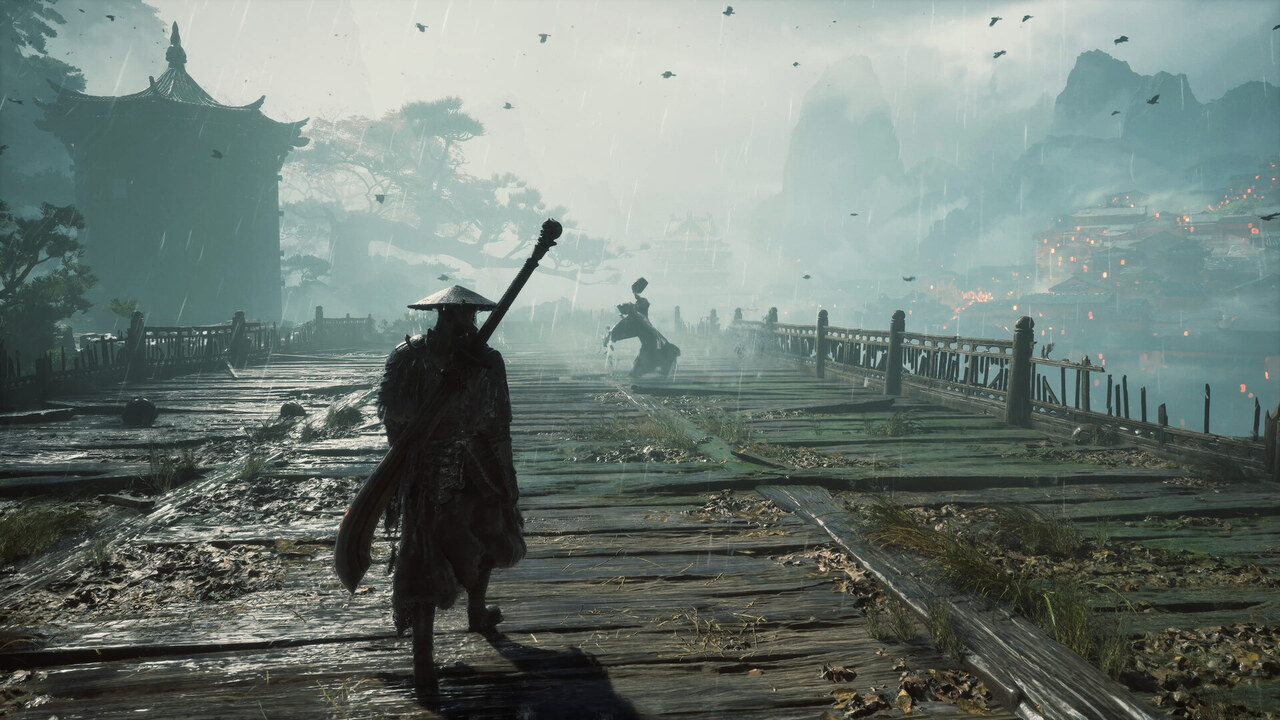 Rain road duelOfficial game media
Official screenshot used for cinematic combat framing.
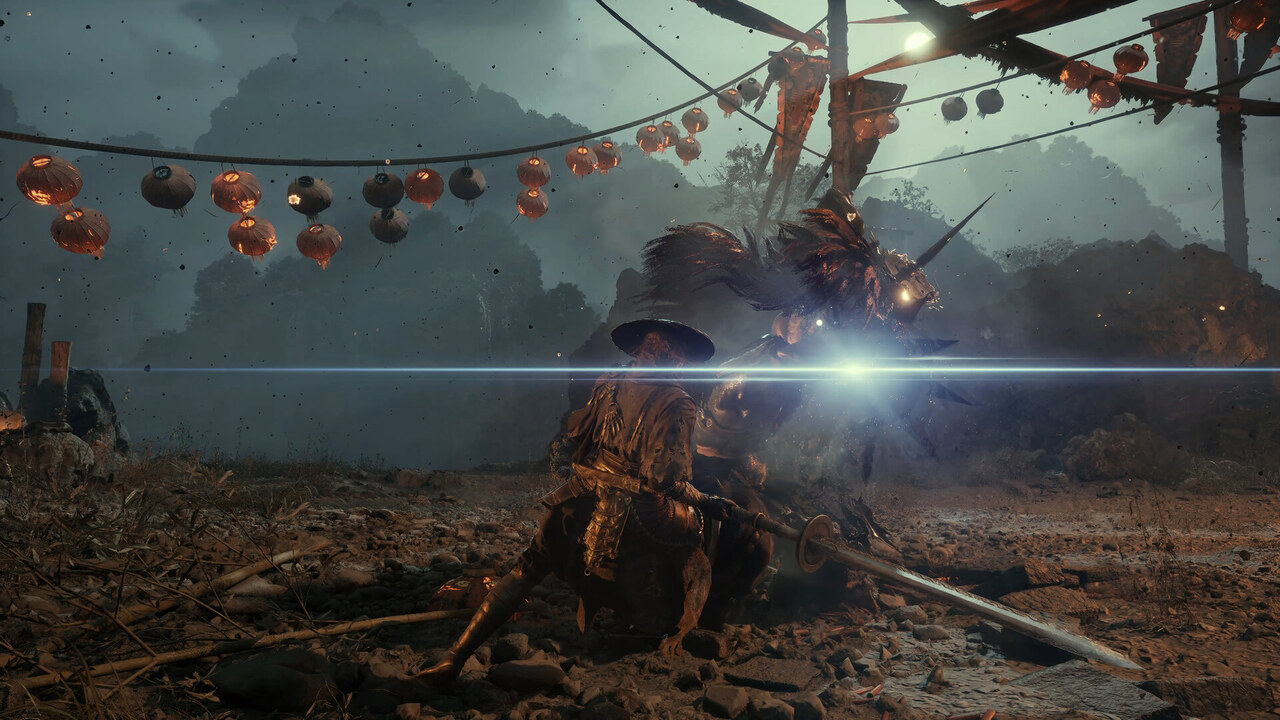 Lantern parry duelOfficial game media
Official combat image for timing and weapon-read modules.
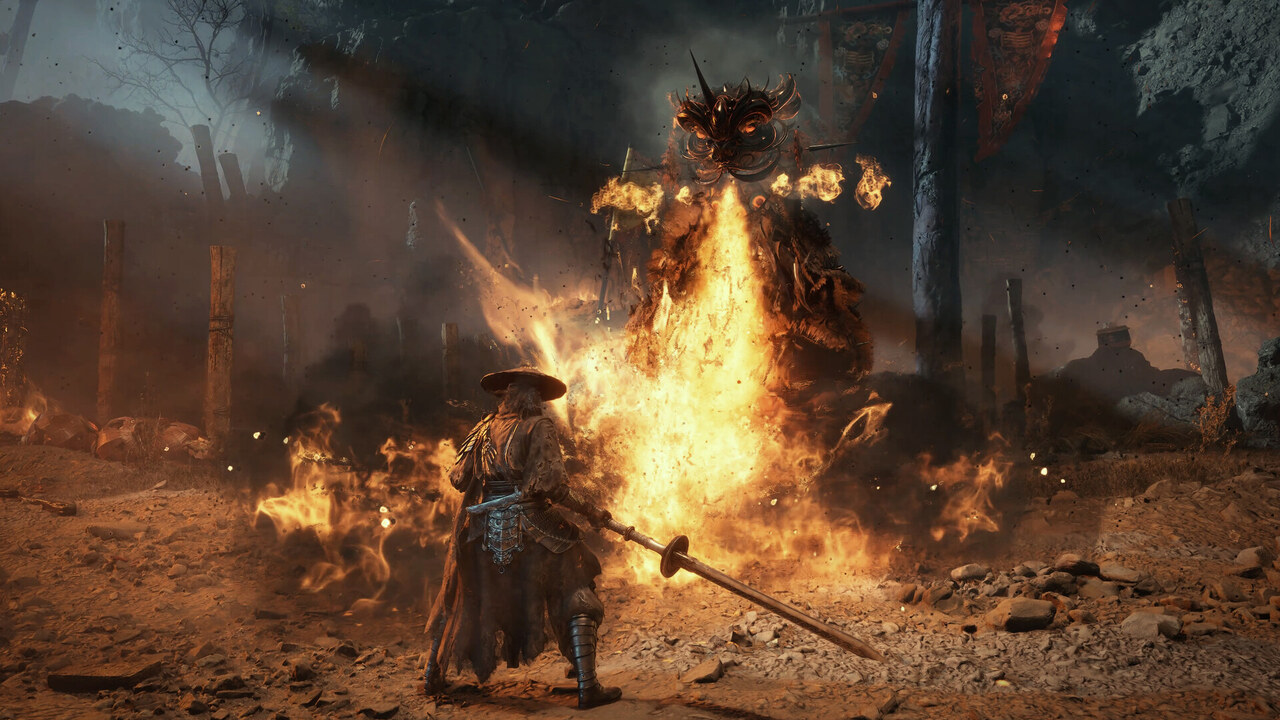 Fire boss encounterOfficial game media
Official screenshot for boss arena and pressure analysis.
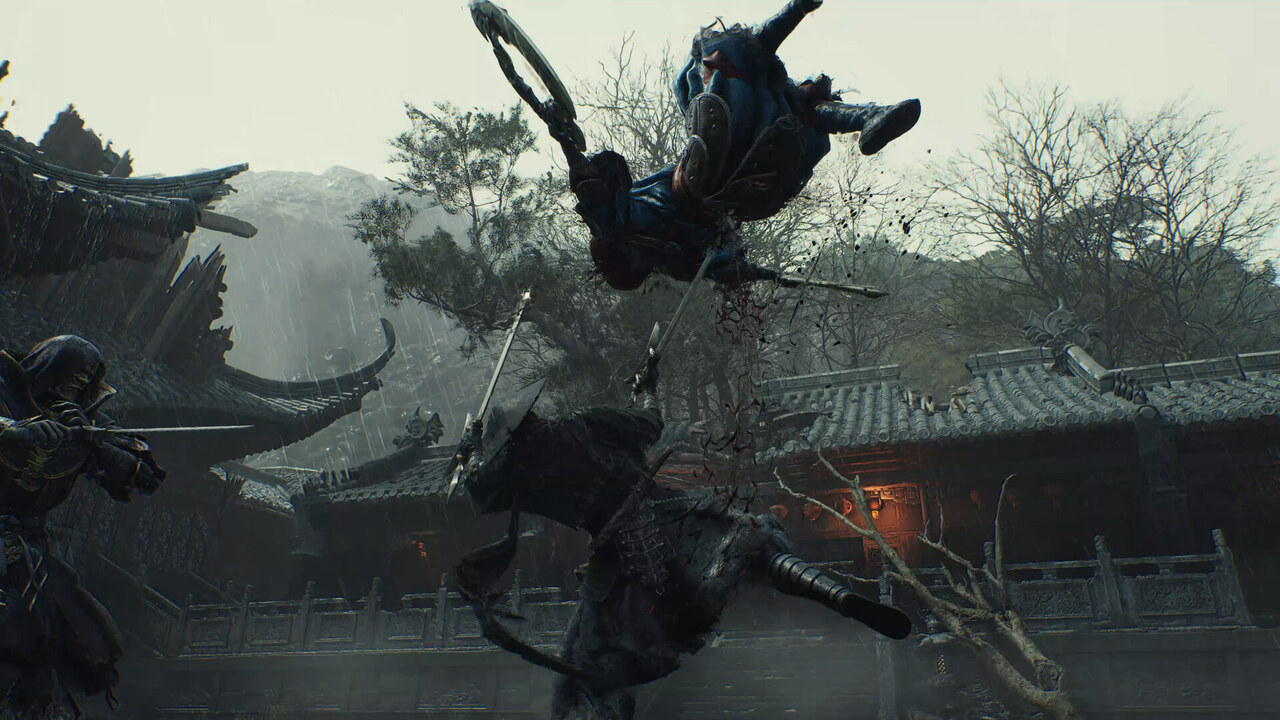 Air combat clashOfficial game media
Official screenshot for movement and aerial exchange coverage.
Useful for release-date follow-up, combat tone, Phantom Edge presentation, and boss mood.
Useful for PlayStation-facing combat presentation and boss movement.
Useful for launch messaging and platform-facing presentation.
Source and credit
This page summarizes public information and editorial interpretation. Primary source: Official special teaser.
Next read path
Use this path to keep reading by intent instead of jumping through random links. It connects this page to the closest source, strategy, database, or verification hub.
FAQ
Is parry always best?
No. High-reward defense is only best when the tell is clear and the player can survive failure.
How should I practice deflect timing?
Pick one repeated string, count rhythm, and stop after the intended punish instead of improvising endlessly.
What is the safest advanced habit?
Resetting after visual confusion. It looks less flashy but preserves the run.