
Phantom Blade Zero Guides
Phantom Blade Zero First Boss Training Plan: Deflect, Dodge, Weapon Switch, Punish
A first-boss preparation guide for Phantom Blade Zero players learning combat rhythm, safe punishment windows, and weapon-switch discipline.
| Topic | Phantom Blade Zero First Boss Training Plan: Deflect, Dodge, Weapon Switch, Punish |
| Game | Phantom Blade Zero |
| Category | Guides |
| Editorial score | 98 |
| Primary source | PlayStation State of Play trailer |
| Evidence level | Deep editorial analysis; final mechanics pending |
| Review status | Source-aware editorial page; update when public facts, footage, demos, or patch notes change. |
Guides strategy table
| Page type | Beginner Strategy |
| Primary search intent | Phantom Blade Zero first boss guide |
| Best source to verify | PlayStation State of Play trailer |
| Editorial confidence | Scenario-based guidance using public information, embedded media, and cautious pre-launch interpretation. |
| Update trigger | Update after official patch notes, demo access, hands-on previews, storefront changes, or new gameplay footage. |
First boss curriculum
A launch-ready training plan for the first wall
The first hard boss guide should be structured as learning stages, not a fake boss solution. Before launch, the page can still teach how to diagnose deaths and choose a stable practice goal.
First boss learning stages
| Stage | Goal | Pass condition | Common failure |
| Scout | See the full pattern once | You can describe two attacks without panicking. | Trying to win immediately. |
| Survive | Prioritize defense and camera | You live longer even with low damage. | Trading hits to force progress. |
| Punish | Find one safe opening | You land one short punish repeatedly. | Overextending after the first success. |
| Adapt | Notice phase or tempo changes | You stop using the old answer when the boss changes. | Treating every attempt as the same fight. |
| Optimize | Add weapon switches or Phantom Edges | Damage improves without lowering survival. | Adding flashy tools before reads are stable. |
Death review checklist
Name whether the death came from timing, spacing, camera, greed, or unknown mechanics.
Keep one punish string fixed until survival improves.
Reset to the arena center after any wall pressure.
Do not change weapons and settings in the same attempt.
After launch, replace placeholders with boss name, phase list, and proven punish windows.
This page can rank for first-boss help even before names are known because the training logic is concrete and easy to update later.
Scenario-based recommendations
This section is written as practical editorial guidance: choose by scene, role, route, enemy pressure, or player goal rather than chasing a universal best answer.
Scenario matrix
| Boss moment | Player answer | Reason |
| Fast opener | Block or deflect check | Learn rhythm before chasing damage. |
| Wide sweep | Dodge to angle | Position matters more than panic rolling. |
| Recovery pause | Short punish only | Greed often creates the next hit. |
| Phase pressure | Reset camera and spacing | Visual clarity keeps reads intact. |
What to pick and when to avoid it
Three-hit punish rule
Best for: Learning bosses safely.
Avoid when: A clear stagger window is confirmed.
Short punish rules keep beginners from turning every opening into a trade.
Deflect-first practice
Best for: Rhythm learning.
Avoid when: An attack is clearly unblockable or spacing-based.
Deflect practice builds timing confidence faster than pure evasion.
Weapon switch after safety
Best for: Combo growth.
Avoid when: The player switches blindly mid-pressure.
Switching should extend a known window, not replace reading the boss.
Comparison table
| Response | Best against | Failure mode | Training value |
| Deflect | Rhythmic strings | Mistimed chip or hit | High |
| Dodge angle | Sweeps and space traps | Camera loss | High |
| Short punish | Uncertain windows | Low burst | S |
| Long combo | Confirmed stagger | Greed punish | A |
The first boss should be treated as a rhythm classroom. Damage comes after the player can leave an opening safely.
Practice the exit, not only the entry
Many action players learn how to start a punish but not how to leave it. Phantom Blade Zero boss practice should include the last input before defense resumes.
Do not weapon switch as panic
Weapon switching looks stylish in public footage, but beginners should switch after recognizing a window. Blind switching during pressure turns style into self-sabotage.
Action checklist
Limit first boss punishes to short strings.
Name the attack you are practicing before each attempt.
Reset camera after every major dodge.
Use weapon switching only after a safe opening.
Review whether each death came from greed, panic, or misread timing.
Media and source board
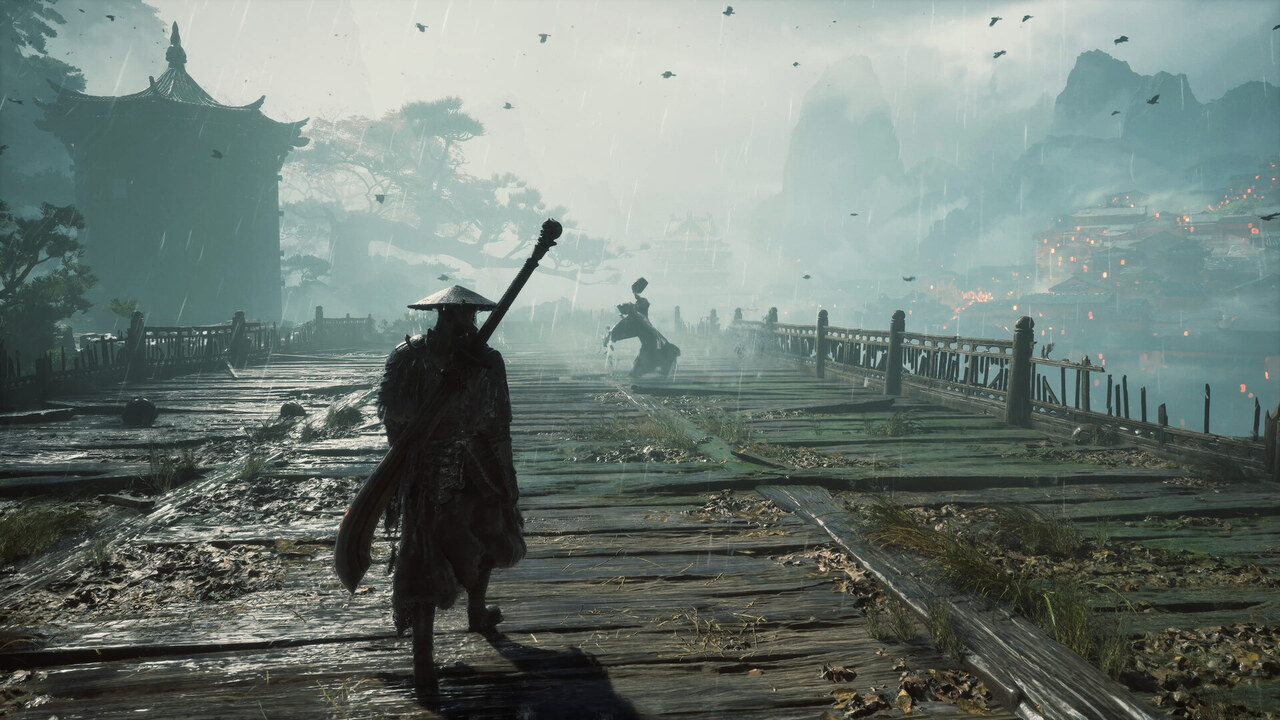 Rain road duelOfficial game media
Official screenshot used for cinematic combat framing.
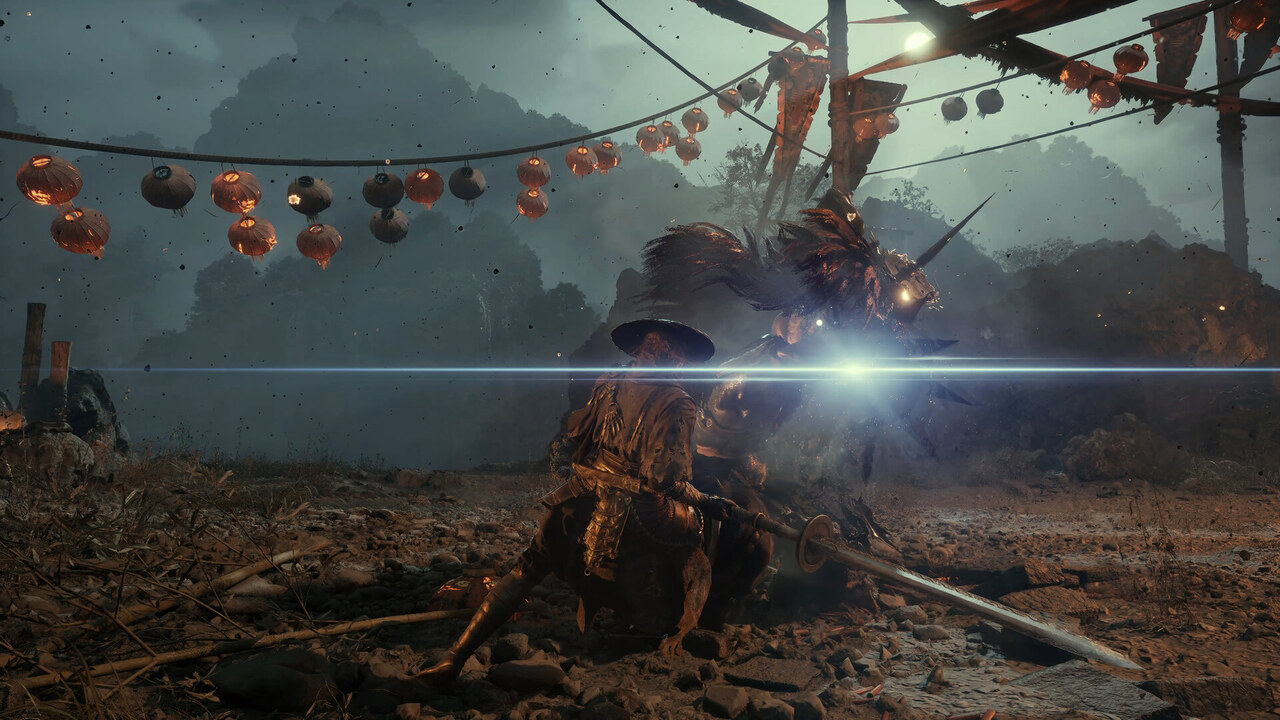 Lantern parry duelOfficial game media
Official combat image for timing and weapon-read modules.
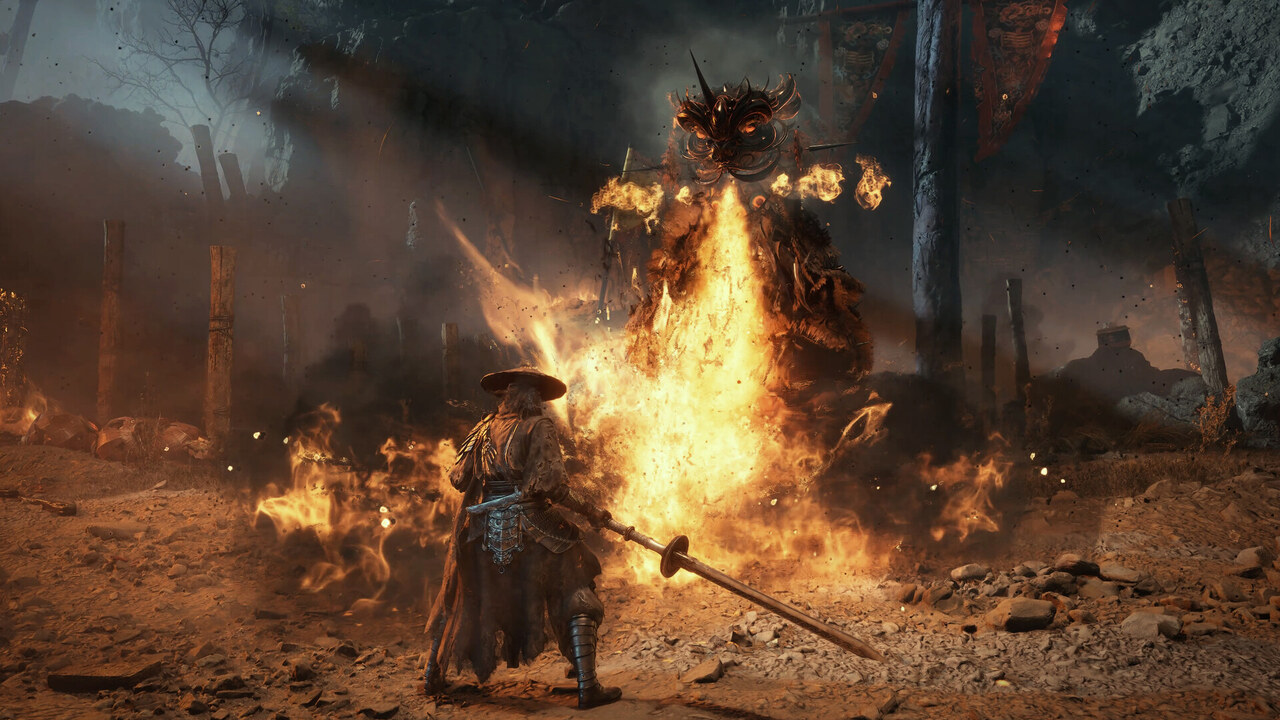 Fire boss encounterOfficial game media
Official screenshot for boss arena and pressure analysis.
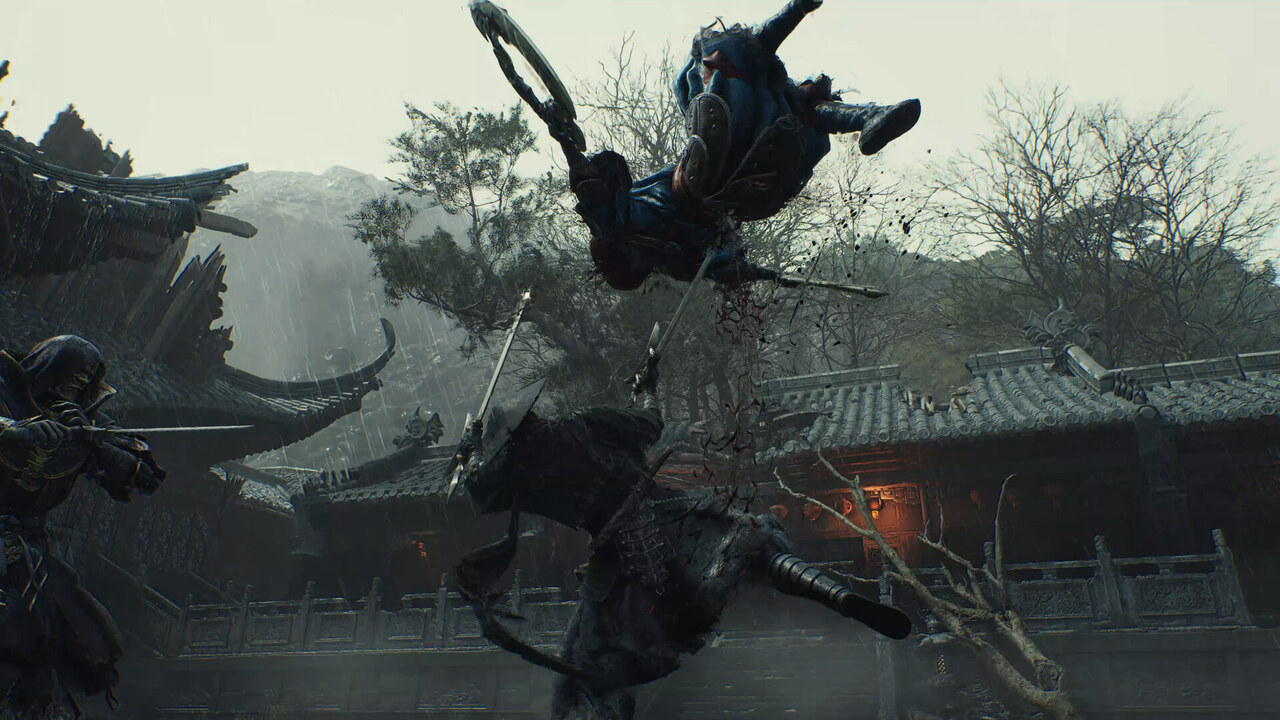 Air combat clashOfficial game media
Official screenshot for movement and aerial exchange coverage.
Useful for release-date follow-up, combat tone, Phantom Edge presentation, and boss mood.
Useful for PlayStation-facing combat presentation and boss movement.
Useful for launch messaging and platform-facing presentation.
Source and credit
This page summarizes public information and editorial interpretation. Primary source: PlayStation State of Play trailer.
Next read path
Use this path to keep reading by intent instead of jumping through random links. It connects this page to the closest source, strategy, database, or verification hub.
FAQ
Is Phantom Blade Zero like Sekiro?
It shares an interest in timing and boss reads, but public footage also emphasizes weapon switching and cinematic martial-arts flow.
Should beginners dodge or deflect?
Practice both, but use deflects for rhythmic strings and dodges for spacing or angle changes.
Are boss names confirmed here?
No. This page avoids naming unconfirmed boss mechanics and focuses on training habits visible from public combat footage.